
IEEE Format Research Paper: A Complete Step-by-Step Guide
Writing a research paper is not only about good ideas and strong research. Presentation matters just as much. One of the most trusted and widely used standards in academic writing is the IEEE Format Research Paper style. It is commonly followed in engineering, computer science, electronics, and technology-related fields.
This guide will help you understand the IEEE format in a clear, step-by-step, and easy-to-read way, so you can confidently prepare your research paper without confusion.
What Is IEEE Format?
IEEE stands for the Institute of Electrical and Electronics Engineers. It provides a universal formatting style that ensures research papers look professional, organized, and easy to read.
An IEEE Format Research Paper follows strict rules for:
-
Page layout
-
Font size and spacing
-
Section structure
-
Citations and references
Because of its clarity and consistency, this format is accepted by most international journals and conferences.
Why Is IEEE Formatting So Important?
Many research papers get rejected not because of poor content, but due to incorrect formatting.
Using the IEEE format helps you:
-
Meet journal and conference requirements
-
Improve readability for reviewers
-
Present research in a professional manner
-
Build academic credibility
A properly structured IEEE Format Research Paper creates a strong first impression on evaluators.
Standard Structure of an IEEE Research Paper
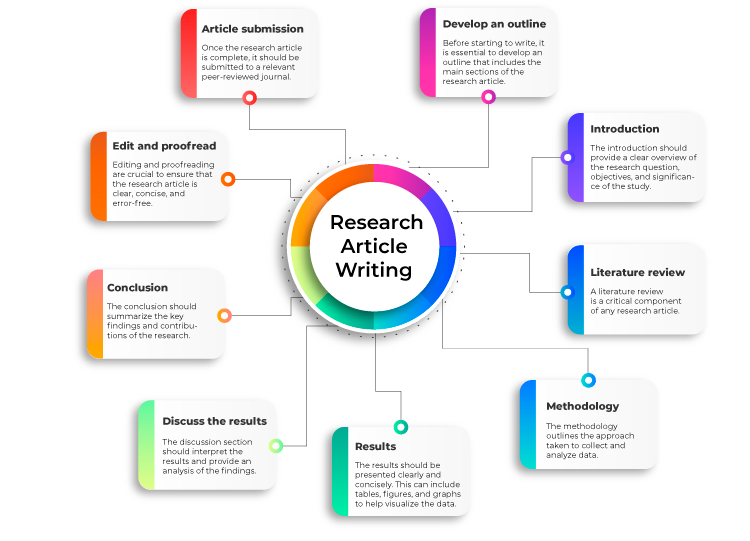
IEEE papers follow a fixed structure that guides readers smoothly from the problem statement to the conclusion.
Let’s break it down step by step.
Title and Author Details
The title should be:
-
Short
-
Clear
-
Relevant to your research
It appears at the top of the first page and is centered. Author names, affiliations, and email addresses are placed below the title in the same aligned format.
Abstract
The abstract is a short summary of your entire research paper. It usually contains 150–250 words.
It should briefly explain:
-
The research objective
-
The method used
-
Major results
-
Final conclusion
In an IEEE Format Research Paper, the abstract is written as a single paragraph and does not include citations.
Keywords
Keywords help your paper appear in search results and academic databases.
Guidelines:
-
Use 4–6 relevant keywords
-
Place them immediately after the abstract
-
Keep them specific to your research topic
Introduction
The introduction explains why your research matters.
It should include:
-
Background of the topic
-
Research problem
-
Purpose of the study
-
Paper organization
In IEEE style, the introduction is labeled as I. INTRODUCTION.
Literature Review
This section reviews existing research related to your topic. It helps readers understand:
-
What has already been studied
-
What gaps still exist
-
How your research adds value
Citations are numbered in square brackets such as [1], [2], and appear in the order they are mentioned.
Research Methodology
The methodology section explains how you conducted your research.
It may include:
-
Research design
-
Tools or software used
-
Data collection methods
-
Algorithms or experimental setup
Clear methodology increases the reliability of your IEEE Format Research Paper.
Results and Discussion
This section presents the outcomes of your research and explains their significance.
You can use:
-
Tables
-
Graphs
-
Figures
-
Charts
Each visual element must be numbered and referenced in the text. Figures have captions below them, while tables have captions above.
Conclusion
The conclusion summarizes your research in a precise and impactful way.
It should:
-
Highlight key findings
-
State research contributions
-
Mention practical applications
-
Suggest future research directions
A strong conclusion strengthens the overall quality of your IEEE Format Research Paper.
References in IEEE Format
IEEE uses a numbered reference system.
Important rules:
-
References appear in the order they are cited
-
Use square brackets for in-text citations
-
Follow proper journal or book formatting
Correct referencing improves academic trust and avoids plagiarism issues.
IEEE Formatting Guidelines (Quick Overview)
Page Layout
-
Paper size: A4
-
Two-column format
-
Standard IEEE margins
Font Style
-
Font: Times New Roman
-
Body text: 10 pt
-
Headings: 10 pt
-
Single-spaced text
Strict formatting is essential for every IEEE Format Research Paper.
Figures and Tables Guidelines
To keep your paper clean and readable:
-
Use clear, high-quality images
-
Avoid unnecessary visuals
-
Refer to every figure and table in the text
-
Maintain consistent numbering
Visual clarity supports better understanding.
Common Mistakes to Avoid
Many students make small errors that affect paper quality.
Avoid:
-
Wrong font size or margins
-
Improper citations
-
Too many keywords
-
Poor figure alignment
-
Missing references
Careful checking can save your IEEE Format Research Paper from rejection.
Tools to Format IEEE Papers Easily
You can use ready-made tools to reduce errors:
-
IEEE Word templates
-
IEEE LaTeX templates
-
Reference tools like Zotero or Mendeley
These tools save time and ensure formatting accuracy.
Practical Tips for Better IEEE Papers
To improve quality:
-
Follow IEEE guidelines strictly
-
Keep sentences short and clear
-
Avoid plagiarism
-
Use formal academic language
-
Proofread before submission
Small improvements make a big difference.
Final Words
Understanding and applying IEEE formatting is essential for successful academic publishing. A well-structured and clean IEEE Format Research Paper increases readability, credibility, and acceptance chances.
By following this guide, you can confidently prepare a professional research paper that meets international IEEE standards and presents your work effectively.